
Maintaining optimal dental health in dogs is crucial for their overall well-being. This article explores the significance of dog dental care, prevalent dental issues in canines, and effective preventive measures.
By establishing a dental care routine and adhering to best practices Starlight, pet owners can ensure their furry companions enjoy a healthy, pain-free smile. Stay informed and proactive in safeguarding your dog’s oral hygiene to enhance their quality of life.
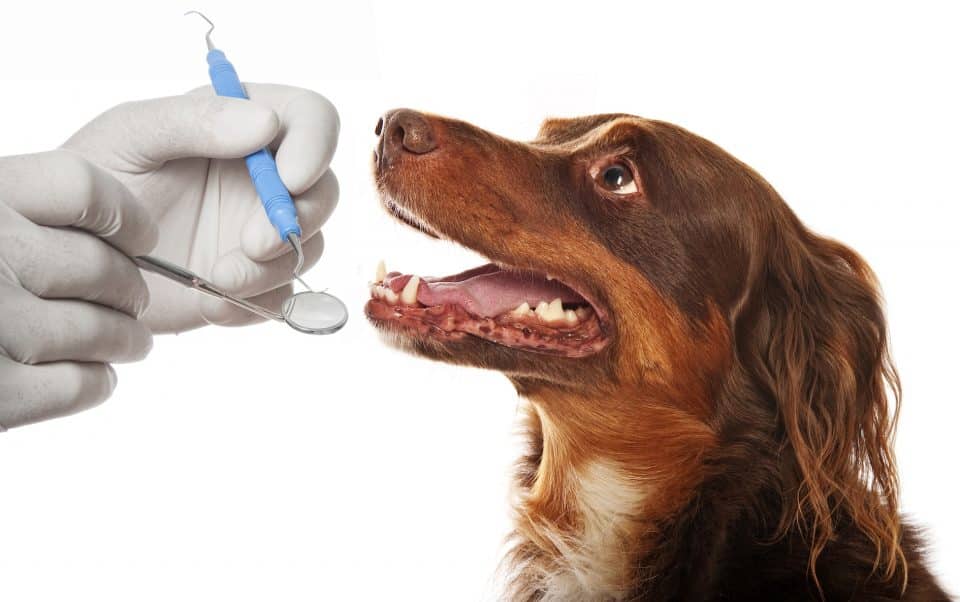
Importance of Dog Dental Health
Why is dog dental health crucial for overall well-being and longevity?
Just like humans, dogs rely on their teeth for various essential functions, including chewing, playing, and even self-defense. Neglecting your dog’s dental health can lead to a range of issues that not only cause discomfort but can also impact their quality of life. Poor dental hygiene in dogs can result in tartar buildup, gum disease, tooth decay, and even tooth loss. These conditions can be painful for dogs and may lead to difficulty eating, infections, and systemic health problems if left untreated.
Additionally, oral health issues can affect more than just your dog’s mouth; they can also have negative implications for their heart, kidneys, and other organs. By prioritizing your dog’s dental care, you can help prevent these problems, ensuring that your furry companion enjoys a healthier and longer life. Regular dental check-ups, proper at-home dental care, and a balanced diet can all contribute to maintaining your dog’s dental health and overall well-being.
Common Dental Issues in Dogs
Common dental issues in dogs often stem from a lack of proper oral hygiene and can lead to various health problems if not addressed promptly. One prevalent dental problem in dogs is periodontal disease, which results from the buildup of plaque and tartar on the teeth, leading to gum inflammation, infection, and potential tooth loss. Another common issue is dental caries, or cavities, which can cause pain and discomfort for the dog.
Furthermore, dogs may suffer from fractured teeth, often caused by chewing on hard objects or trauma. These fractures can expose the sensitive inner layers of the teeth, leading to infections and pain. Additionally, oral tumors can occur in dogs, which may require surgical intervention for treatment.
Regular dental check-ups, proper at-home dental care, and a balanced diet can help prevent these common dental problems in dogs. It is essential for dog owners to pay attention to their pet’s oral health to ensure overall well-being and a happy, healthy life for their furry companions.
Preventive Measures for Dental Care
To maintain optimal dental health in dogs, owners should implement a comprehensive preventive care routine that includes regular brushings, dental check-ups, and appropriate chew toys.
Brushing your dog’s teeth at least 2-3 times a week with a dog-specific toothbrush and toothpaste can help prevent plaque and tartar buildup, reducing the risk of dental issues. Additionally, scheduling annual dental check-ups with a veterinarian can catch any potential problems early on and ensure your dog’s overall oral health.
Choosing the right chew toys, such as dental chews or toys specifically designed to promote dental health, can also aid in keeping your dog’s teeth clean and healthy. Moreover, providing a balanced diet and avoiding sugary treats can contribute to maintaining strong teeth and gums.

Implementing a Dental Care Routine
When implementing a dental care routine for your dog, consistency and proper technique are key factors in maintaining optimal oral health.
Start by introducing your dog to the routine gradually, allowing them to get comfortable with each step. Begin with gentle handling of their mouth and gradually progress to using a dog-specific toothbrush and toothpaste.
Aim to brush your dog’s teeth at least 2-3 times a week, focusing on the outer surfaces where plaque tends to accumulate. Additionally, providing dental chews or toys designed to promote oral health can complement your brushing routine.
Regular veterinary check-ups are essential to monitor your dog’s dental health and address any issues promptly. Remember to praise and reward your dog during and after each dental care session to create a positive association.
Best Practices for Dog Dental Hygiene
For optimal dog dental hygiene, adherence to a consistent dental care routine is paramount. Brushing your dog’s teeth regularly is a fundamental aspect of maintaining their oral health. Aim to brush their teeth at least 2-3 times a week using a dog-specific toothbrush and toothpaste.
Additionally, providing dental chews or toys designed to promote dental health can help reduce plaque and tartar buildup. Monitoring your dog’s diet is also crucial; opt for high-quality food and treats that support dental health.
Regular dental check-ups with a veterinarian are essential to catch any potential issues early on. Professional cleanings may be recommended to remove stubborn plaque and tartar. Lastly, observe your dog for any signs of dental problems such as bad breath, swollen gums, or difficulty eating.
Conclusion
In conclusion, maintaining proper dental care for dogs is crucial in preventing common dental issues such as plaque buildup, gum disease, and tooth decay. By implementing a regular dental care routine and practicing good hygiene habits, dog owners can help ensure their pet’s oral health and overall well-being.
It is important to be proactive in preventing dental issues rather than waiting for problems to arise. Regular dental check-ups and professional cleanings can also contribute to a dog’s long-term dental health.